

Gifts of Ex Opere Operato
One of the many consolations of the Catholic faith is that God’s grace does not depend upon the strength of our emotions.
There are days when prayer feels effortless, when the Scriptures seem alive, and when the presence of God appears almost tangible. There are also days when the soul feels dry, distracted, or burdened by weakness. If faith rested upon our feelings, we would spend our lives wondering whether God had come close or quietly withdrawn.
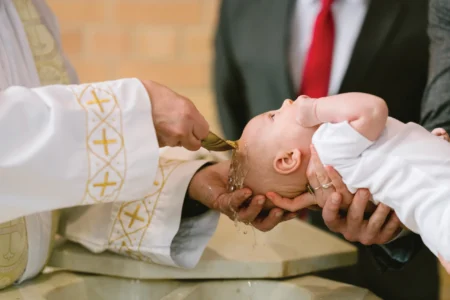
The Church offers a profound answer through the ancient expression ex opere operato,“from the work having been worked.” It teaches that the sacraments truly confer the grace Christ promises because He is the One who acts through them. Their power comes from Him, not from the holiness of the priest or from the intensity of our emotions.
This truth protects us from two opposing issues.
The first issue is despair. We may leave Mass feeling distracted or receive the Eucharist without a surge of emotion and wonder whether anything happened at all. Yet Christ has not promised to nourish us only when we feel inspired. He promises to give Himself. The grace of the sacrament is real because His promise is real.
The second issue is pride. We might begin to think that grace increases in proportion to our spiritual performance, that our fervor somehow compels God to act more generously. But grace is always a gift and never an achievement. No amount of emotional intensity can earn what Christ freely gives through His Passion, Death, and Resurrection.
Imagine a child receiving nourishment from a healthy meal. The food strengthens the body whether the child feels energetic or tired, cheerful or upset. Feelings may affect the experience of eating, but they do not change the reality of what has been received. So too with the sacraments. Grace is not an illusion created by religious sentiment. It is the living action of Christ in His Church.
This does not mean our disposition is unimportant. The Church teaches that while the sacraments are objectively effective, the fruit they bear in our lives depends greatly upon our openness. A hardened heart can resist what God desires to accomplish, just as dry soil receives less from the rain than rich earth prepared to welcome it. We cannot manufacture grace, but we can embrace it.
How freeing this is for the weary disciple.
The anxious parent who arrives at Mass exhausted.
The convert struggling with distractions during prayer.
The elderly person who no longer experiences the consolations once known in their youth.
The penitent who wonders whether Confession “worked” because peace did not arrive immediately.